Why You Get Sick the Moment You Stop: The Neuroscience of Leisure Sickness
By Tristan Siokos · Founder, Recalibrate · June 04, 2026
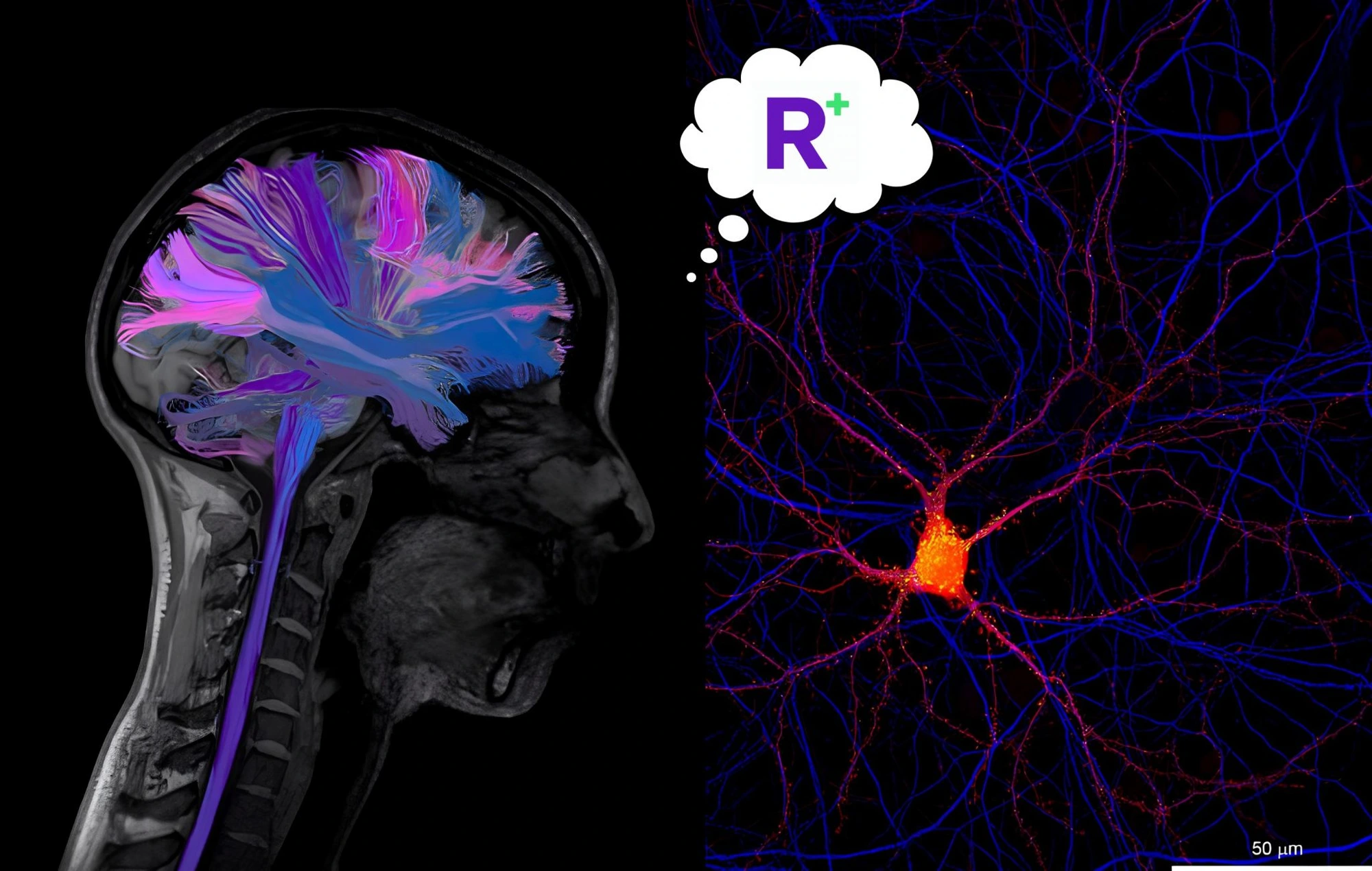
It is called leisure sickness, and the underlying mechanism is parasympathetic rebound. First identified in 2001, it explains why people crash with illness, migraines, and exhaustion the moment a deadline ends or a holiday begins. This is not weakness. This is your nervous system finally believing it is safe enough to send the bill.
You Finally Stop. Then Everything Falls Apart.
You push through the deadline. The semester. The difficult season. The thing that needed all of you.
Then you finally stop.
And within 24 hours, the migraine arrives. Or the exhaustion that makes your bones feel heavy. Or the cold that has been waiting in the wings. Or the emotional weight you could not feel while you were running.
Most people call this bad timing. Ironic. Frustrating. The body betraying them right when they finally earned some rest.
It is not bad timing. It is your nervous system working exactly as designed.
There is a name for this: leisure sickness. First identified by Dutch researchers in 2001, it describes a consistent pattern of getting sick, getting migraines, crashing with fatigue, or experiencing emotional unravelling not during the hard period, but immediately after it ends.
The mechanism behind it is called parasympathetic rebound. And once you understand it, everything about the way your body responds to recovery makes a different kind of sense.
What Leisure Sickness Actually Is
In 2001, psychologist Ad Vingerhoets published the first formal description of leisure sickness after noticing a consistent pattern: people reporting disproportionate rates of illness during weekends, holidays, and the first days of vacation.
The name is slightly misleading. It is not leisure that makes you sick. It is the transition into it.
More precisely: it is what happens when your nervous system is no longer required to run its suppression programme.
The key insight most explanations miss is that you do not get sick because you finally relaxed. You get sick because your body used the stress period to hold a queue of biological processes in suspension. The moment the pressure lifted, the queue started clearing.
What was in the queue? Immune responses. Inflammatory signals. Hormonal recalibration. Emotional processing. Pain signals that were being actively damped. All of them arrive roughly simultaneously, which is why the onset can feel so abrupt and so disproportionate to what triggered it.
People under high sustained stress are roughly four times more likely to get sick during recovery than during the stress period itself. Most of the conversation is about prevention. Almost none of it is about the rebound. That is the gap this article is trying to close.
The Suppression Machinery Your Stress Recruits
To understand parasympathetic rebound, you need to understand what stress actually does to your nervous system. Not in general terms. At the mechanistic level.
🧠 The locus coeruleus floods the system with noradrenaline. This small brainstem region is the brain's primary alertness and arousal hub. Under sustained stress, it drives noradrenaline production to keep you sharp, focused, and functional. The cost is invisible at the time: noradrenaline depletes faster than the brain can synthesise it.
⚡ The HPA axis fires cortisol. The hypothalamic-pituitary-adrenal axis is your primary stress response system. Cortisol does several things that feel like competence: suppresses inflammation, dampens the immune response, raises available glucose, narrows attentional focus. It also overrides pain signals, suppresses fatigue, and keeps the prefrontal cortex running on reserve power.
🔒 The sympathetic system overrides the parasympathetic. Your fight-or-flight system and your rest-and-recover system cannot run at full capacity simultaneously. Under sustained activation, sympathetic dominance suppresses vagal tone. Digestion slows. Immune surveillance drops. Tissue repair is deprioritised.
🧩 The prefrontal cortex dampens amygdala signalling. This is why high-stress periods can feel clear and productive. The PFC is running an active suppression programme on emotional reactivity so you can keep functioning. Pain, grief, fear and fatigue are not absent. They are being actively held back.
The result is the functional state most high-performing people know well: running at capacity, effective, apparently fine. But none of this is free.
The Cost That Compounds Invisibly
While the suppression machinery runs, a different set of processes are accumulating in the background.
🌡️ Noradrenaline depletes faster than it can be replaced. The brain cannot synthesise it at the speed the stress response consumes it. The system compensates by downregulating receptor sensitivity. This is why sustained stress eventually produces an exhaustion that sleep alone does not fix.
📉 Cortisol receptors downregulate. Chronically elevated cortisol causes the hypothalamus and pituitary to reduce their sensitivity to cortisol feedback. This blunts the normal cortisol curve and makes the system less efficient at regulating its own stress response over time.
🔥 Pro-inflammatory cytokines accumulate. These immune signalling molecules, normally cleared during rest and sleep, build up during sustained sympathetic activation. They are not causing immediate illness, but they are creating a primed immune state that is waiting to be triggered.
⚖️ Allostatic load builds. Allostatic load is the cumulative biological cost of sustained stress across tissues, immune cells, and brain structure. It is invisible in the way that debt is invisible until the statement arrives. You are functioning. But the physiological reserves available for recovery are steadily shrinking.
This is why people under sustained stress are not actually managing well. They are running on biological credit. The bill does not disappear. It waits.
Parasympathetic Rebound: When the System Finally Exhales
Then you stop.
It does not have to be a holiday. It can be the Friday evening after a deadline. The morning after an exam. The first day of compassionate leave. Any moment the nervous system registers as: the pressure has lifted.
🌊 Cortisol drops sharply. Without the sustained demand signal, cortisol production falls quickly. The HPA axis reduces output. The body begins transitioning from sympathetic to parasympathetic dominance.
💉 Vagal tone surges. As sympathetic suppression of the vagus nerve lifts, parasympathetic activity rises rapidly. This is meant to be a recovery signal. When the transition is abrupt, the surge can be destabilising rather than restorative.
🛡️ The immune system rebounds. With sympathetic suppression removed, the immune system resumes full activity. Pro-inflammatory cytokines, which were accumulating in the background, are now released. Neuroscientists call the resulting symptom picture sickness behaviour: the fatigue, aching, brain fog, emotional sensitivity and social withdrawal that accompany immune activation.
🧠 The prefrontal brake on the amygdala releases. The suppression programme damping emotional reactivity stops running. Grief, anxiety, fear and pain signals that were queued finally arrive. Sometimes this feels like sadness from nowhere. Sometimes it is a pain flare. Sometimes it is simply an inability to be okay that has no obvious trigger.
The result: suppressed biological processes discharge at once. You are not getting sick. You are settling the debt.
The Pattern Is Wider Than You Think
Leisure sickness and parasympathetic rebound are not unusual edge cases. They are everywhere once you know what to look for.
🎓 Post-exam collapse. Students reliably get sick, exhausted, or emotionally unwell in the days immediately following major exams, not during the revision period when pressure is highest.
🤕 Weekend migraines. Research shows a consistent spike in migraine onset on Saturday and Sunday mornings. The drop in cortisol from the work week's sustained stress response is a well-established migraine trigger.
🪖 Post-deployment crashes in veterans. Service members experience disproportionate rates of illness and mental health crises in the weeks after returning home, not during deployment itself.
🔄 Autoimmune flares in MS, RA, and lupus. High-pressure periods are consistently followed by flares. The immune rebound after prolonged sympathetic suppression is a primary driver.
😴 Long COVID, ME/CFS, and fibromyalgia. In conditions involving central sensitisation and autonomic dysfunction, this pattern runs on a much shorter loop. The nervous system runs a micro-version of the same cycle every time the load briefly lifts, which is why rest can paradoxically trigger the worst symptoms.
👶 Postpartum mood changes. The abrupt shift from the physiological demands of pregnancy and labour into early recovery creates a near-perfect biological setup for parasympathetic rebound.
🏖️ Retirement-onset depression. When the sustained activation structure that defined decades of working life is removed abruptly, the system does not know what to do with the absence of demand signal.
This is also why high-functioning people often crash hardest. The ability to perform under pressure is not the same as the ability to handle pressure. It is the ability to suppress the cost until later. The suppression machinery runs efficiently right up until the moment it does not.
Building Gentler Transitions
Understanding parasympathetic rebound changes what recovery actually requires.
The goal is not to stop stress faster. It is to build transitions that allow suppressed biological processes to discharge gradually rather than all at once.
Maintain low-level parasympathetic activity during stress periods.
Short daily practices, even 5 minutes of extended exhale breathing, keep vagal tone from dropping to zero. Not full recovery. Just maintenance. This reduces the size of the rebound when it comes.
Taper rather than stop.
If you know a major pressure period is ending, build a transition week where the workload reduces progressively rather than cuts off abruptly. The cortisol curve drops more gradually. The rebound is smaller.
Do not interpret the crash as failure.
The symptoms arriving in recovery are not new. They are suppressed signals finally finding a path out. Treating the rebound as failure leads to pushing through it, which extends the debt cycle rather than clearing it.
Sleep is critical in the transition.
The glymphatic system, your brain's waste-clearance network, runs primarily during deep sleep. It clears the inflammatory proteins and metabolic byproducts that accumulated during the stress period. Prioritise sleep in the days before and after the pressure ends, not just during it.
In chronic illness, the transition is the symptom.
If you live with a condition involving autonomic dysregulation or central sensitisation, every brief moment of safety can trigger a micro-rebound. This is not deterioration. It is your nervous system using the window to discharge what it has been holding.
💜 You are not weak for falling apart on holiday. You are not failing for getting sick the moment the deadline ends. You are running a nervous system that finally has permission to release what it has been holding.
The bill always comes. The work is building conditions where it arrives gently, rather than all at once.
Recalibrate is an education and self-tracking tool, not a diagnostic service or a replacement for medical care.
Related articles
- Allostatic Load: The Hidden Cost of Surviving Too Long Without Recovery
Allostatic load is the cumulative wear-and-tear on your body from sustained stress, dysregulation and incomplete recovery. It explains why people break down years after the stressor stopped, and why chronic illness clusters. Here is the science from McEwen onward and how to measure your own load.
- Your Person Is More Complicated Than Almost Anyone Tells You: The Systems Biology Perspective
Most healthcare only sees one or two systems at a time, which is why so many people feel unheard and unable to explain what is actually happening to them. Here is what is going on in the amazing world of you, eleven systems, all running simultaneously, all talking to each other.
- The Autonomic Nervous System: Sympathetic, Parasympathetic and the Brain in Your Gut
Your heart beats, your gut digests and your blood pressure self-tunes without a single conscious command. That is the autonomic nervous system - sympathetic, parasympathetic and enteric. It is not a switch but a constantly negotiated balance, and when that balance gets stuck you get anxiety, chronic pain, fatigue, digestive problems and dysautonomia. Here is how it actually works and how to work with it.