The Autonomic Nervous System: Sympathetic, Parasympathetic and the Brain in Your Gut
By Tristan Siokos · Founder, Recalibrate · June 17, 2026
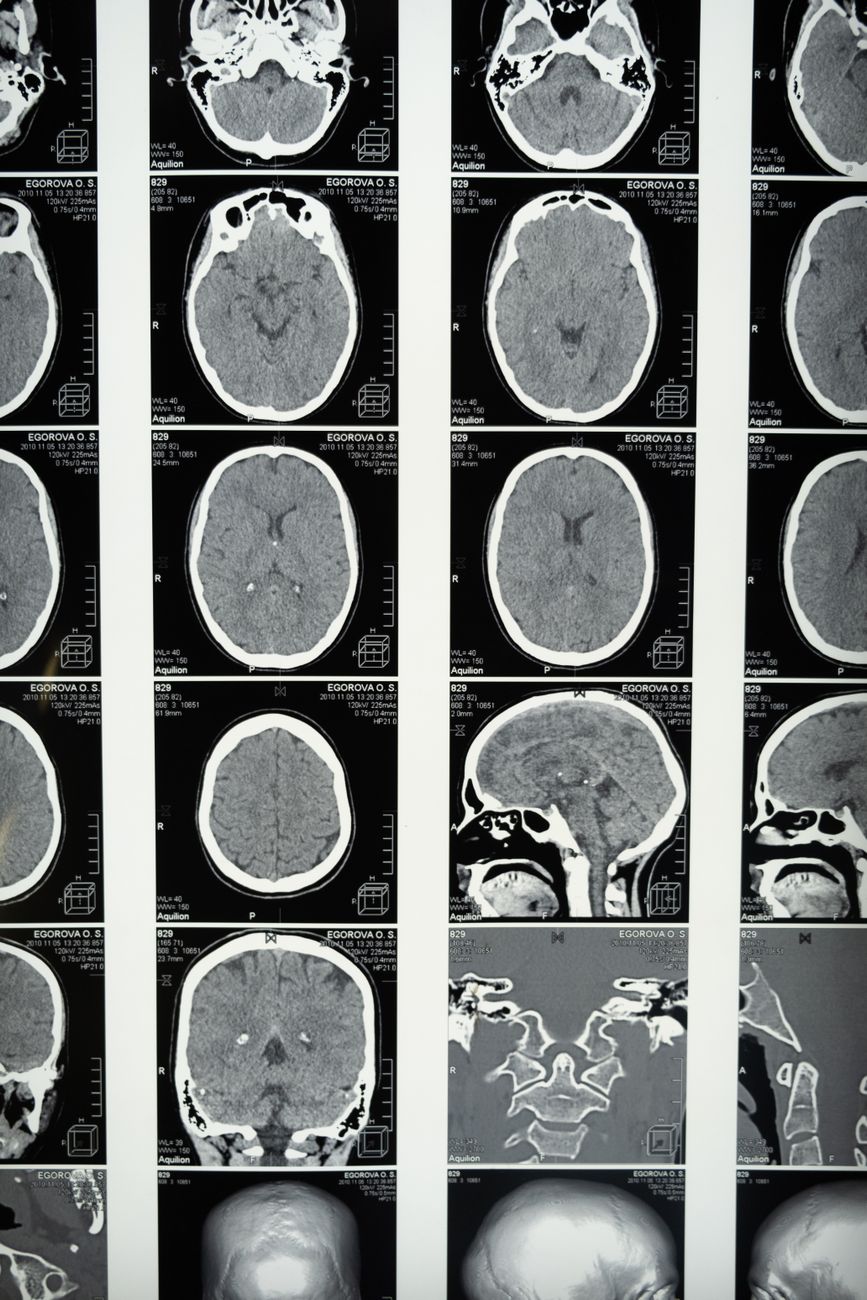
Your heart beats, your gut digests and your blood pressure self-tunes without a single conscious command. That is the autonomic nervous system - sympathetic, parasympathetic and enteric. It is not a switch but a constantly negotiated balance, and when that balance gets stuck you get anxiety, chronic pain, fatigue, digestive problems and dysautonomia. Here is how it actually works and how to work with it.
The Control System You Never Consciously Touch
Right now, without any effort from you, your heart is beating, your gut is digesting, your pupils are adjusting to the light, your blood vessels are tuning your blood pressure, and your body is holding a temperature within a fraction of a degree. You are not doing any of this on purpose. Something is doing it for you.
That something is the autonomic nervous system - the automatic, self-governing branch of your nervous system that runs the machinery of staying alive. It operates almost entirely below conscious awareness, and it never switches off.
The autonomic nervous system has three divisions: the sympathetic, the parasympathetic, and the often-forgotten enteric system that governs the gut. The first two are usually described as opposites - accelerator and brake - but the truth is more interesting. They are not a switch. They are a constantly negotiated balance, and the state of that balance shapes how you feel every single moment of your life.
When that balance gets stuck, the consequences are enormous: this is the biological territory of anxiety, chronic pain, fatigue, digestive problems, dysautonomia and the vast grey zone of symptoms that standard tests often miss.
The Sympathetic System: Mobilisation and Threat
The sympathetic nervous system is the mobilising branch - the one that prepares you to act. Its popular label is "fight or flight", but that undersells it. The sympathetic system is active to some degree all the time, setting your baseline level of alertness and readiness.
What it does when it ramps up: Heart rate rises. The heart contracts harder. Airways widen to take in more oxygen. Blood is redirected away from the gut and skin toward the large muscles. Pupils dilate. The liver releases glucose for fuel. Sweat glands activate. Digestion and other "non-urgent" processes are suppressed. The whole body shifts toward output and away from maintenance.
How it signals: Sympathetic nerves emerge from the middle section of the spinal cord and connect through a chain of ganglia running alongside the spine. The main chemical messenger at the target organs is noradrenaline. The system also drives the adrenal glands to dump adrenaline into the bloodstream, which is why the effects of a fright are felt throughout the body within seconds.
Why it matters in chronic illness: The sympathetic response is designed to be brief - a surge, then a return to baseline. Modern life, and especially chronic pain and chronic stress, can leave it chronically elevated. A nervous system stuck in sympathetic dominance produces a recognisable cluster: a racing or pounding heart, tension, poor sleep, digestive shutdown, heightened pain sensitivity and a constant sense of being "on". The system meant to save your life in an emergency becomes the source of daily suffering when it will not stand down.
The Parasympathetic System: Recovery and Repair
The parasympathetic nervous system is the restorative branch - "rest, digest and recover". It dominates when you are safe, fed and calm, and it runs the repair and maintenance side of the body.
What it does: Heart rate slows. Blood pressure eases. Digestion switches on - saliva, stomach acid, gut motility and nutrient absorption all increase. The body devotes energy to healing, immune function and restoration. Pupils constrict. Breathing slows and deepens.
How it signals: The parasympathetic system runs primarily through the vagus nerve, which carries the majority of parasympathetic output to the heart, lungs and abdominal organs. The main chemical messenger is acetylcholine. Because so much of it flows through the vagus, parasympathetic health is often described in terms of "vagal tone".
Why it matters: The parasympathetic system is where recovery lives. Sleep, digestion, tissue repair and the calming of inflammation all depend on it. When the nervous system spends too little time in this state, the body simply does not get the recovery it needs, no matter how much rest you attempt.
This is the practical heart of nervous-system regulation. You cannot consciously order your body to relax, but you can access the parasympathetic system through specific doorways - the most powerful being the breath. A slow, extended exhale directly stimulates the vagus and shifts the balance toward recovery. This is why breathing practices are not a soft add-on; they are one of the few voluntary controls you have over an involuntary system.
The Enteric System: The Brain in Your Gut
The third and least-discussed division of the autonomic nervous system is the enteric nervous system - the vast neural network embedded in the wall of your digestive tract.
It is often called "the second brain", and the name is earned. The enteric nervous system contains an estimated five hundred million neurons - more than the spinal cord - and it can operate independently, coordinating the complex, rhythmic work of digestion without instruction from the brain.
What it does: It controls the muscular contractions that move food through the gut, regulates the secretion of digestive enzymes, manages local blood flow, and interacts constantly with the gut's immune system and its trillions of resident microbes.
The gut-brain axis: The enteric system is in continuous two-way conversation with the brain, largely via the vagus nerve. Critically, the traffic runs mostly upward - the gut sends far more information to the brain than the brain sends down. The gut also produces around ninety percent of the body's serotonin and a range of other neuroactive compounds.
Why it matters: This is the biology behind the gut feeling, and behind the tight link between digestive symptoms and mental state. Stress disrupts gut function through this axis; gut inflammation and microbial imbalance can, in turn, drive anxiety, low mood and fatigue upward to the brain. Irritable bowel syndrome and the digestive misery that so often accompanies chronic illness are, in large part, disorders of the gut-brain axis rather than the gut alone.
Balance, Not Battle: How the System Actually Works
The popular picture of the sympathetic and parasympathetic systems as enemies locked in a tug of war is misleading. In a healthy body they work together, moment to moment, tuning your physiology to the situation.
The best single window into this balance is heart rate variability - the natural, tiny variation in the time between heartbeats. A healthy nervous system produces high variability, reflecting a responsive parasympathetic system that is comfortable applying and releasing the brake. Chronically low variability signals a system stuck in defensive, sympathetic-dominant mode. This is why heart rate variability has become one of the most useful objective markers of nervous-system state and recovery capacity.
The goal is not to eliminate the sympathetic system - you need it. The goal is flexibility: the capacity to mobilise when you genuinely need to and, just as importantly, to stand down and recover when the threat has passed. Chronic illness and chronic stress erode that flexibility, leaving the system rigid, defensive and slow to recover.
The encouraging part is that this is trainable. The autonomic nervous system learns from repeated experience. Consistent sleep, slow breathing, graded and safe movement, and genuine recovery all push the system back toward flexibility over time. You are not stuck with the state you are in.
What This Means for Managing Your Health
Once you understand the autonomic nervous system, a huge amount of confusing experience starts to make sense.
The racing heart and shallow breath of anxiety, the digestive shutdown under stress, the wired-but-tired exhaustion of burnout, the amplified pain of a dysregulated system, the dizziness and blood-pressure swings of dysautonomia - these are not random, disconnected complaints. They are the signature of an autonomic system that has lost its balance and settled into a defensive state.
This reframes the whole approach to management. Instead of chasing each symptom separately, you work on the state of the system that produces them. The practical levers are consistent and evidence-based: protecting sleep, using slow breathing to access the parasympathetic branch, managing the total stress load so the sympathetic system can stand down, feeding and caring for the gut-brain axis, and using movement in a graded, non-threatening way.
None of this is about willpower over an automatic system. It is about learning where the accessible doorways are - the breath above all - and using them consistently until the system relearns flexibility. Your autonomic nervous system has been quietly running your life the whole time. Understanding it is how you start working with it instead of against it.
Recalibrate is an education and self-tracking tool, not a diagnostic service or a replacement for medical care.
Related articles
- Your Nervous System Has a Control Panel. Here Is the Manual.
Every feeling has a corresponding autonomic state. And every autonomic state can be shifted deliberately, in minutes, using inputs your body already understands. Here is the neuroscience behind four emotional states and exactly how to move through them.
- How to Be More Mindful: The Neuroscience of Stillness as Strategy
Your brain processes 11 million bits of information per second. Your conscious mind handles about 50. Mindfulness is not a passive activity - it is the active regulation of the nervous system that prevents cognitive overload. Six specific shifts: listen but do not interrupt, notice but do not react, breathe but do not rush, think but do not worry, do but do not hurry, feel but do not be bothered. The neuroscience of why each one works.
- You Have a Floating Bone in Your Throat. Around It Sits a Control Panel for Your Nervous System.
The hyoid is the only bone in your body that does not articulate with another. Around it converge five cranial nerves. One of them is the vagus. This is why your breath, your exhale, your voice and your swallow can genuinely shift your physiological state - not by suggestion, but through anatomy.